Integrate ultrasound findings into immediate clinical decisions.
03
Guide
Perform procedures with real-time image guidance.
04
Monitor
Repeat examinations whenever the patient’s clinical condition changes.
05
Improve Workflow
Bring diagnostic imaging closer to the patient.
06
Enhance Clinical Confidence
Combine history, physical examination, and ultrasound findings.
BY SPECIALITY
POCUS Across Medical Specialties
POCUS supports rapid diagnosis, real-time monitoring, and safer procedures across emergency, critical care, medicine, surgery, and other specialties.
Internal Medicine specialists
POCUS for Internal Medicine specialists: thyroid, lungs, heart, liver, gallbladder, spleen, kidneys, major abdominal vessels, and urinary bladder.
Emergency Medicine POCUS
Emergency Medicine POCUS for lungs, pleural spaces, heart, liver, spleen, kidneys, major vessels, bladder, and eFAST assessment areas.
Endocrinology
Endocrinologists use POCUS to assess the thyroid, parathyroid glands, adrenal glands, pancreas, ovaries, and testes, and to guide FNAC, biopsies, and other procedures safely, accurately.
Critical Care
Critical care POCUS evaluates the heart, lungs, pleura, liver, kidneys, bladder, abdominal aorta, IVC, gallbladder, and deep veins for emergencies.
Pain Medicine
Pain medicine uses POCUS to visualize nerves, muscles, tendons, joints, fascia, vessels, and guide injections, blocks, aspirations, and ablation safely.
Anesthesiology
Anesthesiology POCUS improves anesthetic safety by guiding nerve blocks and vascular access, reducing complications, and enabling rapid cardiopulmonary and airway assessment.
OB/GYN
OB/GYN ultrasound evaluates uterus, ovaries, endometrium, cervix, fallopian tubes, pregnancy, placenta, and fetus for diagnosis, monitoring, and procedures safely and accurately.
Cardiology
Emergency Medicine POCUS for lungs, pleural spaces, heart, liver, spleen, kidneys, major vessels, bladder, and eFAST assessment areas.
Orthopedics
Orthopedic POCUS examines muscles, tendons, ligaments, joints, nerves, bursae, and soft tissues to diagnose injuries and guide injections accurately and safely.
CLINICAL APPLICATIONS
Clinical Applications of Point-of-Care Ultrasound
POCUS enables rapid bedside diagnosis, real-time monitoring, procedural guidance, and timely clinical decisions across diverse medical specialties.
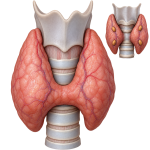
Thyroid
POCUS enables rapid thyroid assessment, nodule detection, and biopsy guidance.
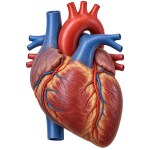
Heart
POCUS rapidly assesses heart function, fluid, shock, and cardiac emergencies.
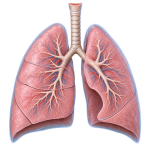
Lungs
POCUS rapidly detects pleural effusion, pneumothorax, pulmonary edema, and consolidation.
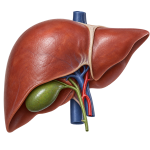
Liver
POCUS assesses liver injury, masses, congestion, ascites, and hepatobiliary abnormalities.
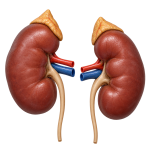
Kidneys
POCUS rapidly assesses heart function, fluid, shock, and cardiac emergencies.
Gallbladder
POCUS detects gallstones, inflammation, obstruction, wall thickening, and biliary abnormalities.
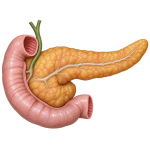
Pancreas
POCUS assesses pancreatic inflammation, masses, cysts, fluid collections, and obstruction.
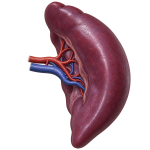
Spleen
POCUS assesses splenic enlargement, injury, rupture, infarction, masses, and bleeding.
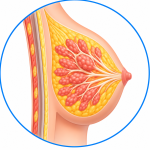
Breast
POCUS evaluates breast masses, cysts, inflammation, abscesses, and guides biopsies.
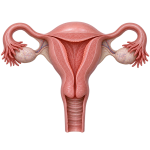
Uterus, Tubes, and Ovaries
POCUS evaluates the uterus, tubes, ovaries, pregnancy, masses, and inflammation.
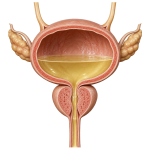
Prostate with Bladder and Urethra
POCUS evaluates the prostate, bladder volume, urinary retention, urethral obstruction, and guides clinical management decisions.
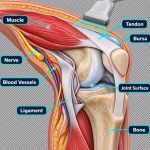
MSK
POCUS evaluates muscles, tendons, ligaments, nerves, vessels, bones, joint surfaces, and bursae, enabling rapid diagnosis and precise procedural guidance safely.
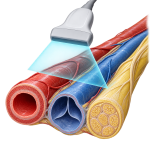
Nerves
POCUS visualizes arteries, veins, and nerves, supporting vascular assessment, thrombosis detection, safe access, and precise nerve-block procedures in real-time.
This website is intended for healthcare professionals and educational purposes only. Information provided on this website should not replace professional clinical judgment, institutional protocols, formal ultrasound training, or applicable medical guidelines.